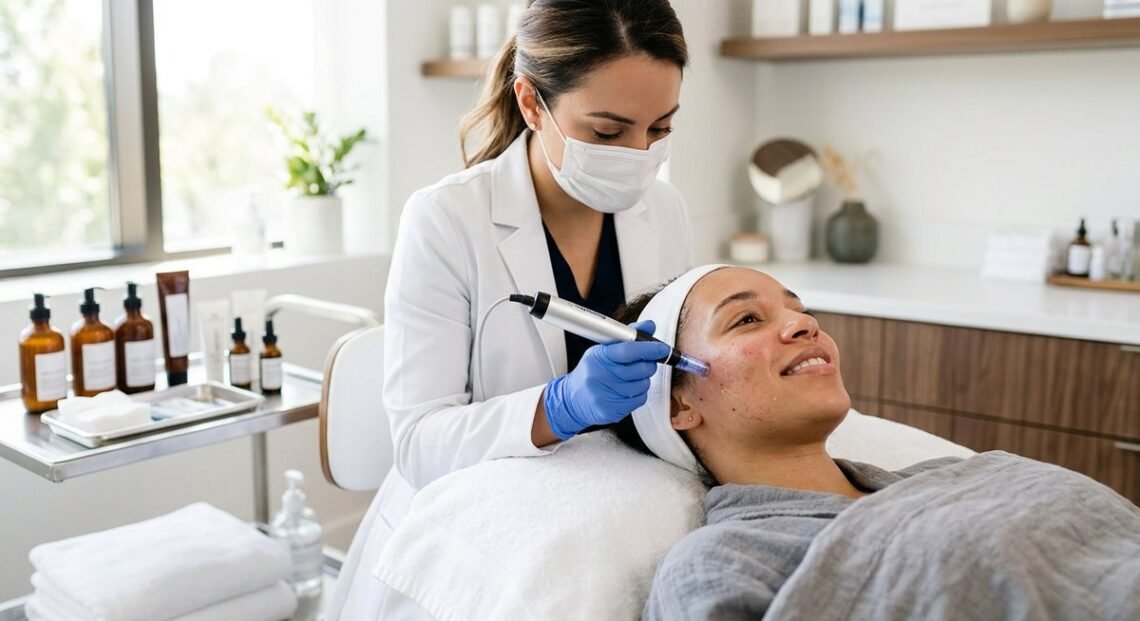
Microneedling is worth it for most people — with caveats. Clinical evidence consistently supports its effectiveness for acne scars, uneven texture, and mild laxity, particularly across a standard series of three to six sessions. Single-treatment expectations, however, are where a lot of people get burned — not literally, but financially and emotionally.
The procedure works best for adults with acne scarring, enlarged pores, or early signs of skin aging who are willing to commit to a multi-session protocol and realistic timelines. It is not a one-and-done fix, and it is not the right tool for every skin concern or every skin tone.
What follows is a straight account of what microneedling actually does at a biological level, who sees the strongest results, how results unfold week by week and session by session, what it costs across different provider types and regions, and how it stacks up against competing treatments like chemical peels, laser resurfacing, and radiofrequency microneedling. There’s also a frank look at skin-tone-specific risks that most providers underemphasize — and how to find one who won’t.
What Microneedling Actually Does to Your Skin
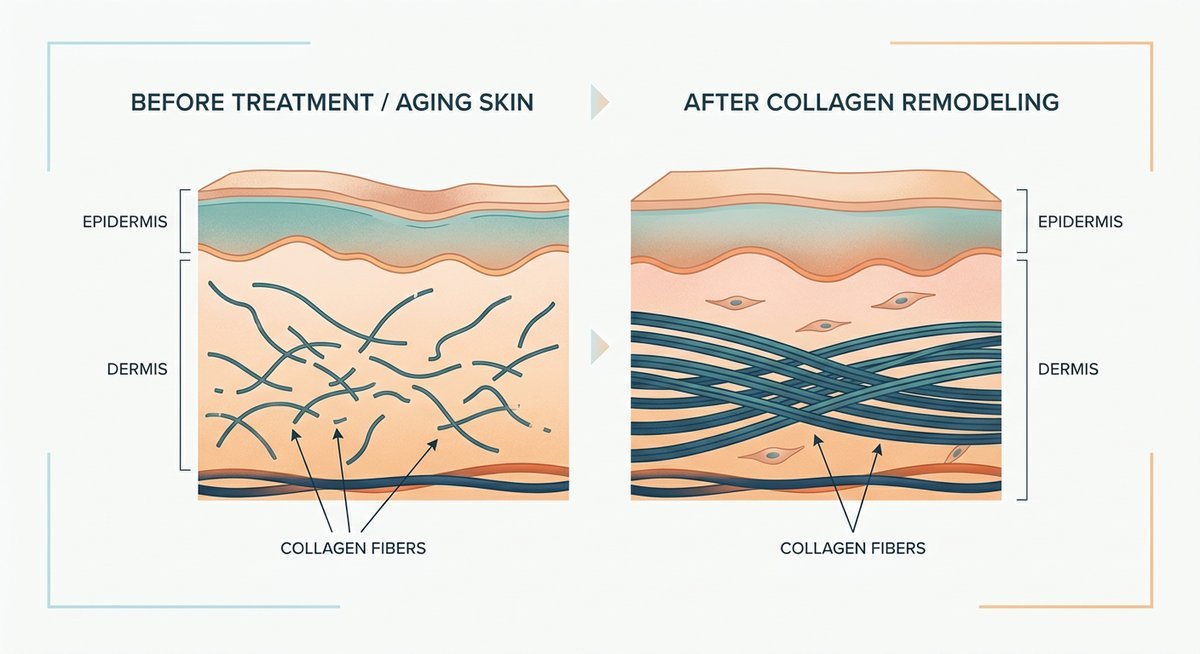
Microneedling works by deliberately injuring your skin to make it heal better than it did before. Needles ranging from 0.5mm to 2.5mm in depth puncture the epidermis and dermis, triggering a wound-healing cascade that produces fresh collagen and elastin — the structural proteins responsible for firm, smooth, youthful-looking skin.
The Collagen Induction Mechanism
Each needle puncture creates a controlled micro-channel that the body reads as damage. The inflammatory response kicks in immediately: platelets rush to the site, growth factors are released, and fibroblasts — the cells that manufacture collagen — activate within the dermis.
The result is new synthesis of collagen Type I and Type III, along with elastin fibers, which gradually remodel the skin’s architecture over weeks and months. According to a study published in the Journal of Cutaneous and Aesthetic Surgery, percutaneous collagen induction through microneedling produced a measurable increase in collagen and elastin deposition without destroying the epidermis — a key advantage over ablative laser treatments that remove the outer skin layer entirely.
Needle depth matters significantly. Shallower settings (0.5mm–1.0mm) target texture and product absorption. Deeper passes (1.5mm–2.5mm) reach the dermis where scar tissue and laxity originate. A trained provider adjusts depth based on the treatment area and the specific concern being addressed.
What It’s Proven to Treat
The clinical evidence for microneedling is strongest in a specific set of indications. Here’s how the research breaks down by condition:
| Condition | Evidence Level | Notes |
|---|---|---|
| Atrophic acne scars | Strong | Most studied indication; rolling and boxcar scars respond best |
| Fine lines and wrinkles | Moderate–Strong | Effective for dynamic and superficial lines; less so for deep static folds |
| Enlarged pores | Moderate | Visible reduction after multiple sessions |
| Skin texture and tone | Moderate–Strong | Consistent patient-reported improvement |
| Mild skin laxity | Moderate | RF microneedling shows stronger results for laxity |
| Stretch marks | Emerging | Promising but requires more large-scale trials |
Microneedling does not reliably treat deep static wrinkles, active cystic acne, or significant skin laxity requiring surgical intervention. Using it on actively inflamed skin can worsen breakouts and spread bacteria across the treatment area — a risk that’s easy to avoid but important to understand upfront.
Real Results: What to Expect and When
Most people see initial texture improvement after their second session, meaningful scar reduction around sessions three to four, and peak collagen remodeling at three to six months after their final treatment. A standard protocol runs three to six sessions spaced four weeks apart. Patience isn’t optional — it’s built into the biology.
The Treatment Timeline (Session by Session)
Collagen remodeling doesn’t happen overnight, and a single session won’t get you there. The standard protocol exists because each treatment compounds on the last, progressively deepening the wound-healing response and stacking new collagen production.
| Session | What’s Happening in the Skin | Visible Change |
|---|---|---|
| Session 1 | Initial collagen cascade triggered | Subtle glow, minor pore refinement |
| Session 2 | Second wave of collagen I and III synthesis | Noticeable texture improvement, smoother surface |
| Sessions 3–4 | Cumulative remodeling deepens scar tissue | Meaningful reduction in acne scars and fine lines |
| 3–6 Months Post-Final Session | Peak collagen maturation and elastin reorganization | Full, maximum results visible |
One concrete benchmark worth knowing: a 2021 review published in the Journal of Cutaneous and Aesthetic Surgery found that patients undergoing four or more sessions reported significantly greater satisfaction scores than those completing only one or two. Front-loading your commitment to the full protocol matters.
Week-by-Week Recovery After a Single Session
Social downtime is typically 24 to 48 hours — not a week, not a month. Most people return to work the next day with some residual redness that reads as a mild sunburn. The recovery arc is predictable enough to plan around.
- Days 1–2: Redness, mild swelling, skin feels tight and warm. Avoid active skincare ingredients — no retinol, no acids.
- Days 3–4: Dryness sets in, light flaking or peeling begins. Hydration is the only job here.
- Days 5–7: Skin normalizes. A subtle, almost luminous glow often emerges — this is the early collagen response showing up at the surface.
- Weeks 2–4: Gradual texture refinement continues. Pores appear tighter; fine lines look softer.
- Months 3–6: Full collagen remodeling becomes visible. This is when before-and-after photos actually tell the whole story.
The month-three mark is where most patients are genuinely surprised. The skin looks different in a way that’s hard to attribute to anything specific — which is exactly how deep structural remodeling works. It doesn’t announce itself.
Is Microneedling Right for Your Skin Type?
Microneedling is suitable for most skin types, but the risk profile shifts significantly depending on where you fall on the Fitzpatrick scale. Lighter skin tones (Types I–III) carry the lowest procedural risk with predictable outcomes. Darker skin tones (Types IV–VI) can achieve excellent results but face a meaningfully elevated risk of post-inflammatory hyperpigmentation (PIH) without careful protocol adjustments.
Fitzpatrick Types I–III (Fair to Medium Skin)
Fair to medium skin tones are the most forgiving candidates for microneedling. Melanocytes in lighter skin are less reactive to controlled injury, which means the wound-healing response rarely triggers unwanted pigment changes. Standard needle depths (0.5mm–1.5mm for facial rejuvenation), typical session spacing, and most topical add-ons are generally safe across this group.
Recovery is also more predictable. Redness resolves within 24–48 hours for most Type I–III patients, and the risk of prolonged erythema or discoloration is low. These skin tones represent the population most studied in clinical microneedling trials, so evidence-based protocols are well-established.
Fitzpatrick Types IV–VI (Olive to Deep Skin)
Microneedling is absolutely a viable option for darker skin — but the margin for error is narrower. Fitzpatrick Types IV–VI have a higher density of active melanocytes, meaning any inflammatory trigger, including needle trauma, can stimulate excess melanin production and leave behind dark patches that persist for months.
The good news: PIH risk is largely manageable with the right approach. According to a 2022 review published in the Journal of Clinical and Aesthetic Dermatology, microneedling performed at conservative depths with appropriate pre-treatment protocols showed strong safety and efficacy profiles in patients with skin of color. The key variables are provider experience, needle depth, and pre-treatment preparation.
Specific protocol adjustments for Types IV–VI include:
- Conservative needle depths (typically 0.5mm–1.0mm for initial sessions)
- Pre-treatment with topical tranexamic acid or azelaic acid for 4–6 weeks prior to the first session
- Strict avoidance of heat-based add-ons (radiofrequency microneedling and laser combinations carry higher PIH risk)
- Aggressive post-procedure sun protection — SPF 50+ daily without exception
- Selecting a board-certified dermatologist with documented experience treating skin of color
Choosing a provider who has actually treated Fitzpatrick IV–VI skin regularly — not just someone who claims general microneedling experience — is the single most important variable here.
| Fitzpatrick Type | Skin Tone | PIH Risk | Protocol Considerations |
|---|---|---|---|
| Type I–II | Very fair to fair | Low | Standard depths; most add-ons safe |
| Type III | Medium/light olive | Low–Moderate | Standard depths; monitor for PIH in sun-exposed areas |
| Type IV | Olive/moderate brown | Moderate | Conservative depth (0.5–1.0mm initial); pre-treat with tranexamic acid 4–6 weeks |
| Type V | Dark brown | Moderate–High | Experienced provider essential; avoid RF add-ons; strict SPF 50+ regimen |
| Type VI | Very dark/deeply pigmented | High | Board-certified derm with skin-of-color expertise required; test patch session recommended |
Who Should Skip Microneedling
Some conditions rule it out entirely. Active cystic acne, rosacea flares, eczema, psoriasis plaques over the treatment area, blood-clotting disorders, and any active skin infection all disqualify you — at least temporarily. Pregnant or breastfeeding patients should also wait. Accutane (isotretinoin) use within the last six months is another firm contraindication because the drug thins the skin and impairs wound healing.
If you’re on blood thinners or immunosuppressants, clearance from your prescribing physician is non-negotiable before booking.
How Much Does Microneedling Cost?
Professional microneedling typically runs between $200 and $700 per session in the United States, with the national average hovering around $300–$400. Package pricing (usually 3–6 sessions) drops the per-session cost by 15–30%, making it the smarter financial move for anyone treating acne scars or significant texture concerns.
Where you get treated matters as much as how many sessions you book. Dermatology offices and plastic surgery practices charge a premium — often $450–$700 per session — because a licensed physician or PA is overseeing or performing the treatment. Med-spas typically land in the $250–$450 range. Geography adds another variable: the same treatment in Manhattan or Los Angeles can cost twice what it does in a mid-sized Midwestern city.
| Provider Type | Single Session | 3-Session Package | Add-Ons (PRP, HA serum) |
|---|---|---|---|
| Dermatologist / Plastic Surgeon | $450–$700 | $1,200–$1,800 | +$300–$800 (PRP) |
| Med-Spa (RN/PA supervised) | $250–$450 | $650–$1,100 | +$150–$400 (HA serum) |
| Aesthetic Clinic (esthetician) | $150–$300 | $400–$750 | +$75–$200 (growth factors) |
Add-ons like platelet-rich plasma (PRP) or hyaluronic acid infusions are commonly upsold at the time of treatment — and they do have evidence behind them. PRP in particular can meaningfully amplify collagen stimulation, but it adds $300–$800 per session. Factor that into your total budget before booking.
At-home microneedling devices (dermarollers) cost $20–$150, but they use shallower needle depths — typically under 0.3mm — that don’t reach the dermis where collagen remodeling actually occurs. They’re a maintenance tool, not a replacement for clinical treatment.
Microneedling vs. Chemical Peels, Laser, and RF Microneedling
Microneedling sits in a middle ground between gentler surface treatments and aggressive resurfacing procedures. Choosing the right one depends on your primary concern, skin tone, tolerance for downtime, and budget. The table below breaks down the four most commonly compared options across the variables that actually matter at the point of decision.
| Treatment | Best For | Avg. Cost/Session | Downtime | Sessions Needed | Safe for Darker Skin? |
|---|---|---|---|---|---|
| Standard Microneedling | Acne scars, texture, fine lines | $250–$450 | 1–2 days | 3–6 | Yes (with protocol adjustments) |
| Chemical Peels (medium-depth) | Hyperpigmentation, sun damage, superficial scars | $150–$400 | 3–7 days | 3–6 | Caution — higher PIH risk than microneedling |
| Ablative Laser (CO2/Erbium) | Deep scars, significant wrinkles, skin resurfacing | $1,000–$3,500 | 7–14 days | 1–2 | Generally not recommended for Types IV–VI |
| RF Microneedling (Morpheus8, Vivace) | Skin laxity, deep scars, jawline tightening | $800–$1,500 | 2–5 days | 2–4 | Mixed — safer than laser but higher PIH risk than standard microneedling |
Chemical peels work from the outside in, dissolving damaged surface layers so fresh skin replaces them. They’re effective for pigmentation issues and sun damage but carry a higher risk of uneven results on darker skin tones. Medium and deep peels also involve notably longer downtime — a week of visible peeling is standard.
Ablative lasers deliver the most dramatic single-session results for deep scarring and wrinkles, but the trade-offs are steep: significant downtime, higher cost, and a much narrower window of safe use across skin tones. For Fitzpatrick Types IV–VI, ablative lasers are generally off the table due to the risk of hypopigmentation and scarring.
RF microneedling combines traditional needle-based collagen induction with radiofrequency energy delivered at the needle tip, adding a thermal tightening component. It outperforms standard microneedling for skin laxity and jawline definition. The cost is roughly double, and results often require fewer total sessions. The heat component, however, introduces an elevated PIH risk for darker skin tones that standard microneedling avoids.
For most people seeking scar improvement and texture refinement at a reasonable cost with minimal downtime, standard microneedling remains the strongest value proposition. RF microneedling is worth the upgrade if tightening is a primary goal. Lasers and deep peels belong in a different category entirely — reserved for more severe concerns where the longer recovery and higher cost are justified by the outcome.
Frequently Asked Questions
How painful is microneedling?
Most patients describe it as tolerable — a prickling or sandpaper-like sensation. Providers apply a topical numbing cream (typically lidocaine-based) 30–45 minutes before treatment, which reduces discomfort significantly. Deeper needle settings (1.5mm+) feel more intense, particularly around bony areas like the forehead and jawline. On a 1–10 pain scale, most patients rate it between 3 and 5 with numbing.
How long do microneedling results last?
Collagen produced through microneedling is permanent — your body doesn’t reabsorb it. However, natural aging continues, so most dermatologists recommend one to two maintenance sessions per year to sustain peak results. Without maintenance, you’ll keep the structural improvements but may notice gradual decline in surface-level glow and texture over 12–18 months.
Can I do microneedling at home instead of at a clinic?
At-home devices (dermarollers and microneedling pens) use needle depths under 0.3mm, which improve product absorption and provide mild surface exfoliation. They do not reach the dermal layer where meaningful collagen induction occurs. Clinical microneedling at 1.0–2.5mm depth is a different procedure entirely. Home devices are a complement, not a substitute.
Is microneedling safe during pregnancy?
No. Most dermatologists advise against microneedling during pregnancy and breastfeeding. The concern isn’t the needles themselves but the topical serums applied during and after treatment — many contain active ingredients (retinoids, growth factors, certain peptides) that haven’t been tested for fetal safety. Wait until you’ve finished breastfeeding before scheduling.
How many sessions do I actually need?
Three to six sessions spaced four to six weeks apart is the standard protocol for acne scars and texture improvement. Mild concerns (enlarged pores, dull skin) may see satisfying results in two to three sessions. Deep or ice-pick scarring may require six or more, sometimes combined with other modalities. Your provider should set session expectations during consultation based on your specific concern and skin assessment.
What should I avoid after microneedling?
For the first 48–72 hours: direct sun exposure, active skincare (retinol, vitamin C serums, AHAs/BHAs), makeup, swimming pools, saunas, and intense exercise that causes heavy sweating. Stick to a gentle cleanser, a fragrance-free moisturizer, and SPF 50+ sunscreen. Your skin has thousands of open micro-channels — treating it like a fresh wound for the first two days is the right instinct.
Does insurance cover microneedling?
Almost never. Microneedling is classified as a cosmetic procedure by virtually all insurance providers in the United States. Even when performed for acne scarring — which has documented psychological and quality-of-life impacts — coverage is exceedingly rare. Some providers offer financing through CareCredit or similar healthcare payment plans to spread the cost across months.
What’s the difference between microneedling and Morpheus8?
Morpheus8 is a brand-name radiofrequency (RF) microneedling device. Standard microneedling creates micro-injuries that trigger collagen production through wound healing alone. Morpheus8 adds RF energy at the needle tip, combining collagen induction with thermal tissue tightening. Morpheus8 is more effective for skin laxity and deep fat remodeling but costs roughly two to three times more per session and carries higher risk of PIH for darker skin tones.
The Verdict
Microneedling is worth it for the right candidate with realistic expectations. If you’re dealing with acne scars, uneven texture, or early fine lines and you’re willing to commit to a multi-session protocol over several months, the clinical evidence is firmly on your side. The cost is moderate compared to laser alternatives, the downtime is minimal, and the safety profile across skin tones — when managed by an experienced provider — is strong.
Where it falls short is as a one-session miracle or a treatment for concerns it was never designed to address: deep wrinkles, significant laxity, or active inflammatory skin conditions. Know what it can do, find a provider who adjusts protocols to your specific skin type, and front-load your commitment to the full series. That’s the formula that consistently delivers results worth paying for.