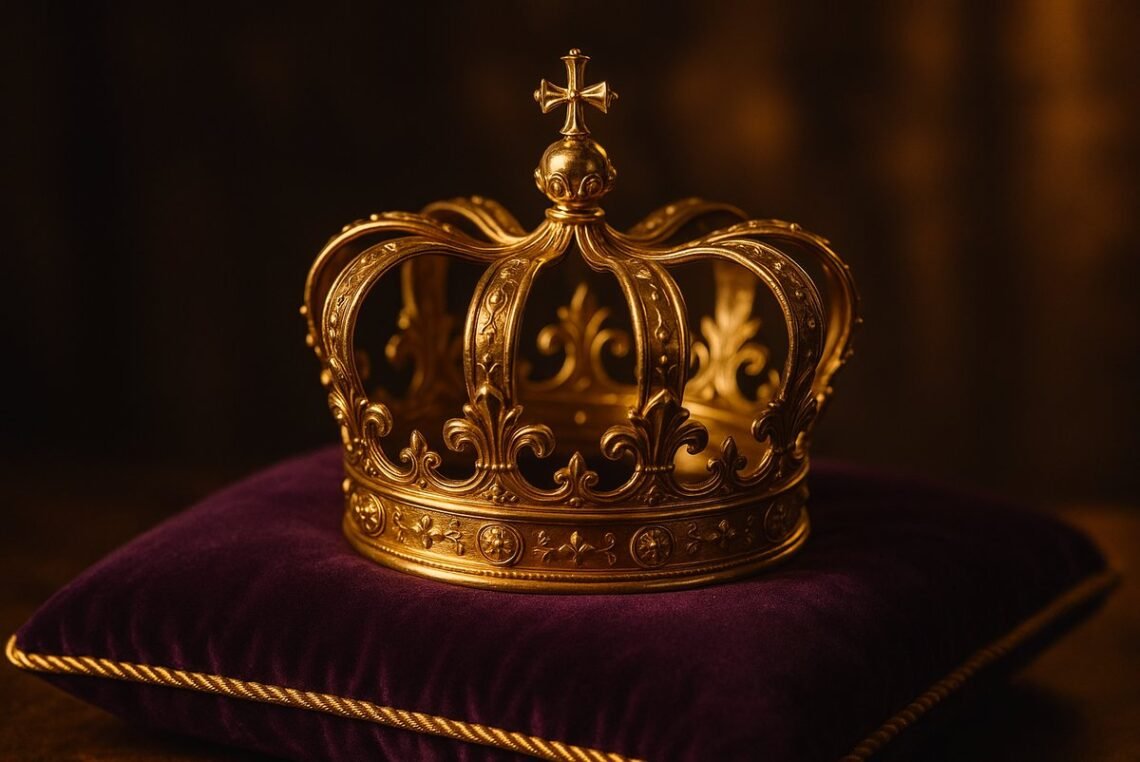
Introduction: A Tale of Two Crowns
The gold crown presents a fascinating duality. In one sense, it is a powerful symbol of royalty and divine authority, a gleaming circlet that has adorned the heads of monarchs for centuries. In another, it is a marvel of modern dentistry, a functional and durable solution for restoring a damaged tooth. This article explores the enduring allure of the gold crown, from its historical significance to its practical applications in the world of today.
The Gold Crown as a Symbol of Power and Divinity
Ancient Origins and Royal Regalia
From the earliest times, the gold crown has served as a distinctive head ornament, a sign of honor and dominion. Ancient civilizations, from the Egyptians to the Romans, used crowns to signify the power and status of their rulers. These were not mere decorations, but potent symbols of sovereignty, often believed to connect the monarch to the divine.
The tradition of the royal crown continued through the Middle Ages and into the modern era, with each culture adding its own unique artistic and symbolic touches. The materials and craftsmanship of these crowns were of the highest quality, reflecting the wealth and power of the kingdom.
Cultural Significance Across Civilizations
The symbolic meaning of the gold crown extends beyond royalty. In many religions, it represents spiritual authority and enlightenment. Deities and saints are often depicted wearing crowns, signifying their divine status. The circular shape of the crown can also symbolize eternity and perfection, a concept that resonates across many cultures.
In some traditions, the gold crown is a reward for prowess and achievement. Athletes, poets, and successful warriors in ancient Greece were awarded wreaths, a precursor to the modern crown. This tradition continues today in various forms, from beauty pageants to sporting events.
The Craftsmanship Behind the Crown
Materials and Techniques
A gold crown is rarely made of pure gold. Instead, it is typically a gold alloy, a mixture of gold with other metals such as copper, platinum, or palladium. This is done to increase the strength and durability of the crown, as pure gold is a relatively soft metal.
The specific composition of the alloy can affect the color and properties of the crown. For example, a higher copper content can give the gold a reddish hue, while platinum can create a whiter gold.
The Art of the Goldsmith
The creation of a gold crown is a testament to the skill and artistry of the goldsmith. From the initial design to the final polishing, each step requires precision and attention to detail. The intricate patterns, delicate filigree, and sparkling gemstones that often adorn royal crowns are a testament to the mastery of the craft.
Even in the case of a dental crown, the process requires a high degree of skill. The crown must be carefully crafted to fit the patient’s tooth perfectly, ensuring both functionality and comfort.
The Gold Crown in Modern Times: A Dental Marvel
Why Choose a Gold Dental Crown?
In the world of dentistry, the gold crown is a time-tested solution for restoring a damaged tooth. It is often recommended for molars and premolars, where the forces of chewing are greatest. The strength and durability of gold make it an ideal material for this purpose.
A dental crown, or cap, is a prosthetic device that is placed over a tooth to restore its shape, size, and strength. It can be used to protect a weak tooth from fracturing, to restore a broken tooth, or to cover a dental implant.
The Benefits of Gold in Dentistry
Gold has several properties that make it an excellent material for dental crowns. It is highly resistant to corrosion and wear, and it is biocompatible, meaning it is well-tolerated by the body. Gold crowns also have a similar wear rate to natural tooth enamel, which means they are less likely to cause excessive wear on the opposing teeth.
The Pros and Cons of Gold Dental Crowns
Advantages: Durability and Biocompatibility
The primary advantages of gold dental crowns are their strength and longevity. A well-made gold crown can last for decades, withstanding the daily rigors of chewing and biting. Their biocompatibility also reduces the risk of allergic reactions or gum irritation.
Disadvantages: Aesthetics and Cost
Despite their many benefits, gold dental crowns do have some drawbacks. The most obvious is their metallic color, which some patients may find unappealing. The cost of gold crowns can also be higher than other types of crowns due to the price of the precious metal.
The Enduring Legacy of the Gold Crown
The gold crown, in both its forms, continues to hold a powerful allure. It is a symbol of the highest achievements, whether of a monarch ruling a kingdom or a dentist restoring a smile. It represents a timeless blend of artistry, craftsmanship, and functionality.
Conclusion: A Timeless Emblem
From the ancient pharaohs to the modern dental patient, the gold crown has served as a symbol of power, prestige, and restoration. Its journey through history is a testament to its enduring appeal and its remarkable versatility. Whether as a royal diadem or a dental restoration, the gold crown remains a timeless emblem of value and permanence.