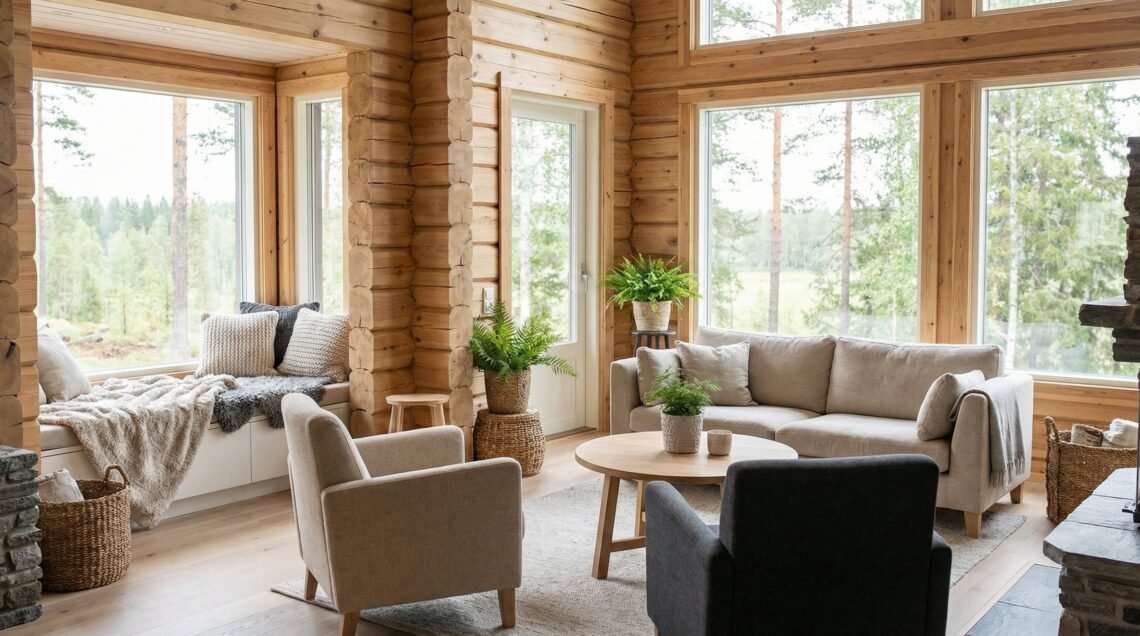
Imagine waking up to the scent of pine and the gentle warmth of sun-drenched wood. Outside, a pristine blanket of snow silences the world, and the air is so crisp it feels alive. This isn’t a dream. It’s a morning in a tiimatuvat, a traditional Finnish log house born from over 700 years of craftsmanship and wisdom. These structures are more than just homes; they are a testament to a way of life deeply connected to nature.
This guide will take you on a journey into the heart of tiimatuvat. We will explore their rich history, from their 13th-century origins to their modern-day resurgence. You will discover the art and science behind their construction, understand the remarkable benefits they offer for your health and wallet, and learn about the different types available for modern living. Prepare to uncover why these timeless log houses are capturing the attention of the world and how they might just be the home you’ve always been searching for.
What Exactly is Tiimatuvat?
The term tiimatuvat may seem mysterious, but its meaning is beautifully simple and direct. It is a Finnish word composed of two parts: tiima, which relates to timber or log elements, and tuvat, meaning houses or cabins. Together, they form the straightforward definition: “log houses.” However, these are not just any log houses. Tiimatuvat represent a specific tradition of building that has been refined in the forests of Finland for over seven centuries, creating structures that are as resilient as they are beautiful.
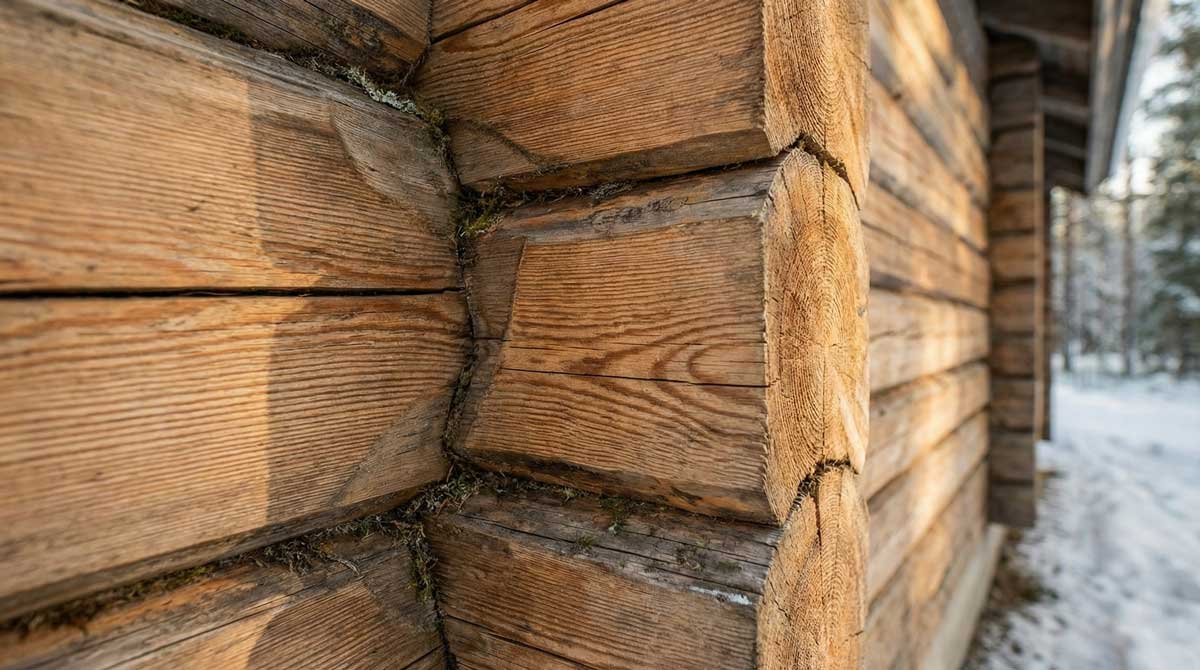
At its core, a tiimatuvat is a house constructed from solid wood logs that are meticulously shaped to interlock at the corners, often using sophisticated joinery techniques like the dovetail joint. This method creates an incredibly strong and stable structure without the need for nails or screws in its primary frame. Think of it as a life-sized puzzle, where each massive log is a perfectly crafted piece. This is what distinguishes tiimatuvat from many modern log cabin kits or simpler designs; the integrity of the house comes from the precision of its woodworking, not from metal fasteners.
The tradition dates back to the 13th century, when early Finns needed shelter that could withstand the brutal Nordic winters, where temperatures can plummet to -40°C. Surrounded by vast forests, they used the most abundant and effective resource available: wood. What started as simple, single-room shelters with a central fireplace has since evolved into a sophisticated architectural form that continues to be celebrated and adapted for modern living.
| Feature | Tiimatuvat | Conventional Log Cabins |
|---|---|---|
| Joinery | Complex, interlocking joints (e.g., dovetail) | Simpler saddle-notch or butt-and-pass joints |
| Materials | Slow-grown Nordic pine/spruce | Often faster-growing, less dense wood |
| Construction | Nail-free primary structure | Often reliant on nails, screws, and adhesives |
| Lifespan | 100-150+ years with proper care | Varies, but often shorter than tiimatuvat |
| Insulation | Excellent natural insulation from solid, thick logs | Insulation properties vary widely by design |
Today, tiimatuvat are more than just a historical curiosity. They represent a harmonious blend of tradition and innovation, offering a sustainable, healthy, and aesthetically pleasing alternative to conventional housing. They are a living piece of Finnish culture, embodying a deep respect for nature, a commitment to quality craftsmanship, and a belief in building things that last for generations.
The 700-Year Journey: A History of Resilience and Evolution
The story of tiimatuvat is a story of survival. It begins in the 13th century, a time when life in Finland was dictated by the seasons and the unforgiving northern climate. With winter temperatures regularly dropping to a bone-chilling -40°C, shelter was not a luxury—it was the key to life itself. The early Finns, surrounded by Europe’s most extensive forests, turned to the one resource that was both abundant and exceptionally effective: wood. This was not just a choice; it was a partnership with the natural world.
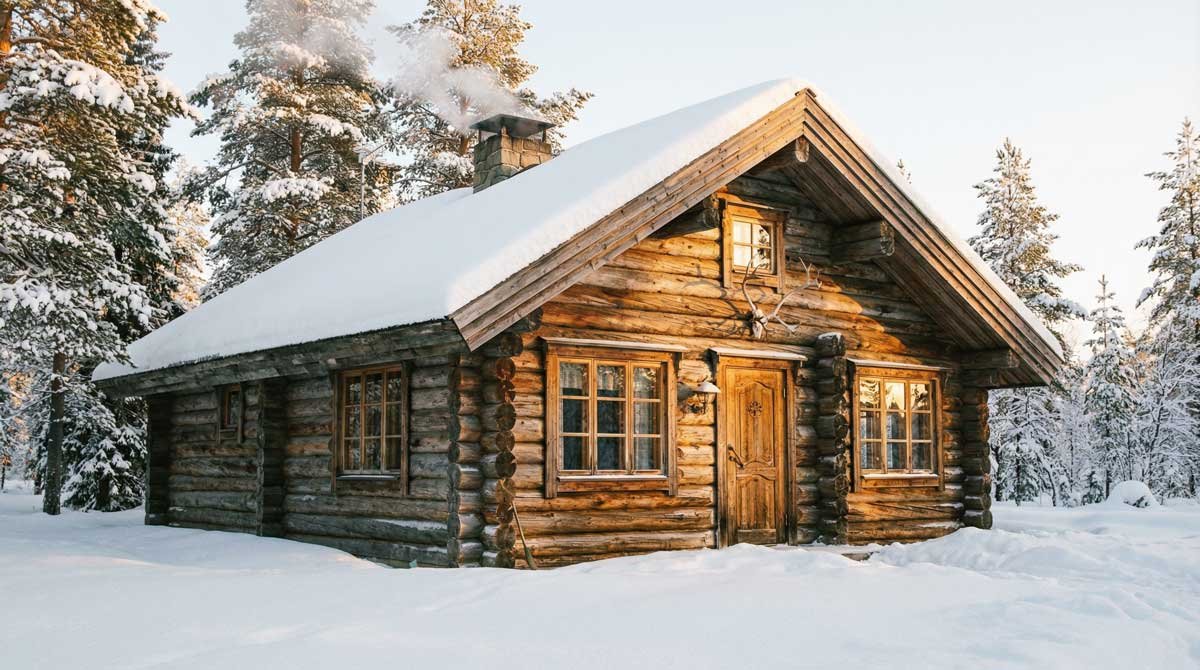
The first tiimatuvat were humble, single-room structures, built with simple tools but remarkable ingenuity. Their primary purpose was to keep the family warm and safe. A steep roof was essential to shed the heavy burden of snow, while a central fireplace served as the heart of the home, providing warmth for both cooking and living. The walls were built from massive, hand-hewn logs, their sheer thickness providing a formidable barrier against the cold. It was a design born of necessity, but it contained the seeds of a building tradition that would endure for centuries.
As generations passed, so did the knowledge of log construction. Finnish builders became masters of their craft, refining their techniques through trial and error. They developed more sophisticated corner joints that locked together with airtight precision, eliminating drafts and strengthening the structure. They learned to orient the houses to maximize passive solar gain during the short winter days and to use the natural insulating properties of wood to their fullest advantage. The simple one-room cabin gradually evolved, with additions for livestock, storage, and more living space, reflecting the growing prosperity and changing needs of the families within.
By the 19th and 20th centuries, the tiimatuvat had become a symbol of Finnish identity and rural life. However, with the rise of industrialization and modern building materials, the tradition began to fade in some areas. Yet, it never disappeared. In recent decades, there has been a powerful resurgence of interest in tiimatuvat, both within Finland and around the world. People are rediscovering the wisdom of this ancient building method, recognizing its profound benefits for both human health and the environment. Today, companies like Polar Life Haus and Pluspuu are combining age-old craftsmanship with modern technology, ensuring that the 700-year journey of the tiimatuvat continues into the future.
The Art and Science of Tiimatuvat Construction
Building a tiimatuvat is a masterful blend of art and science, a process honed over centuries to create homes that are both beautiful and incredibly durable. It’s a far cry from the rapid assembly of modern stick-frame houses. Each step is deliberate, relying on the inherent properties of wood and the skill of the builder. Here’s a look at how these remarkable houses come to life.
Step 1: The Foundation of Quality – Selecting the Wood
The journey of a tiimatuvat begins in the vast, cold forests of northern Finland, particularly in Lapland. The preferred wood is slow-grown Nordic pine or spruce. Why slow-grown? The harsh, long winters force the trees to grow at a snail’s pace, resulting in wood with an incredibly tight and dense grain. This density makes the timber exceptionally strong and resistant to cracking or warping over time. Only the highest quality logs, graded as Grade A and Grade B, are selected. These logs are free from the large knots and weak spots that could compromise the structure’s integrity, ensuring that the foundation of the home is literally built from the best that nature has to offer.
Step 2: The Virtue of Patience – Preparing and Drying the Logs
Once selected, the logs cannot be used immediately. A freshly cut tree is full of water, and building with wet wood would lead to disastrous shrinking, warping, and cracking as the house dries. Proper drying is critical. In the old days, this was a slow, natural process of air-drying that could take many months, even years. Today, modern manufacturers use specialized kilns that carefully control temperature and humidity. This speeds up the process while ensuring the wood dries evenly and retains its structural strength, preparing it for its role as a building block for a generational home.
Step 3: The Magic of the Joinery – Crafting the Corners
This is where the true magic of tiimatuvat construction happens. The ends of each log are precisely cut to create intricate joints that lock together without a single nail. The most common and revered of these is the dovetail joint, a flaring, trapezoidal shape that fits snugly into a corresponding cutout in the adjacent log. When stacked, the weight of the logs pulls the joints tighter, creating an incredibly strong, stable, and remarkably airtight corner. This ingenious method, passed down through generations, is what gives the tiimatuvat its legendary strength and longevity. It’s a testament to the power of pure craftsmanship.
Step 4: The Rhythm of the Build – Assembling the Walls
The walls rise layer by layer, or “course” by course. The carefully prepared logs are stacked one on top of another, with the interlocking corner joints ensuring a perfect fit. Between each course of logs, a thin layer of insulation is traditionally placed. While ancient builders used natural materials like moss or animal hair, modern tiimatuvat often use specialized wool, wood fiber, or foam insulation to create an even more effective thermal seal. This combination of thick, solid wood and modern insulation makes the walls a formidable barrier against the elements.
Step 5: The Crown of the House – Engineering the Roof
The roof of a tiimatuvat is not just a cover; it’s an engineered system designed to handle the immense weight of Nordic snow. The traditional steep pitch is a critical feature, allowing snow to slide off naturally rather than accumulating and stressing the structure. The roof boards are often installed in a way that allows for natural ventilation, letting moisture escape and preventing the risk of rot. This thoughtful design ensures the house remains dry, safe, and protected, crowning the structure with a final layer of weather-defying wisdom.
More Than a House: 5 Ways Tiimatuvat Outperform Modern Homes
In an age of mass-produced housing, the tiimatuvat stands apart, not as a relic of the past, but as a model for the future. Its design, perfected over centuries, offers tangible benefits that many modern homes simply cannot match. These advantages aren’t just about aesthetics; they impact your health, your finances, and the planet. Here are five evidence-based reasons why these traditional log houses are superior.
1. They Create a Healthier Living Environment
The very walls of a tiimatuvat work to keep you healthy. Solid wood is a breathable material that naturally regulates indoor humidity, absorbing excess moisture from the air and releasing it when the air is dry. This keeps the humidity level within the 40-60% range—the optimal zone for respiratory health, which helps reduce the survival of viruses and allergens. In fact, studies have shown that log homes can have 30-40% less dust in the air compared to conventional houses, providing significant relief for those with allergies or asthma. The wood itself is free from the volatile organic compounds (VOCs) and synthetic materials often found in modern construction, ensuring the air you breathe is clean and natural.
2. They Are Exceptionally Energy-Efficient
One of the most surprising benefits of a tiimatuvat is its incredible energy efficiency. The thick, solid log walls possess a high degree of thermal mass. This means they absorb and store heat energy, keeping the house warm in the winter by radiating heat back into the living space, and cool in the summer by absorbing heat from the inside. This natural insulation is so effective that tiimatuvat owners often report energy savings of 20-30% compared to conventional homes of the same size. In a world of rising energy costs, a house that actively works to lower your bills is a powerful asset.
3. They Are a Truly Sustainable Choice
From forest to foundation, the tiimatuvat is a model of sustainable design. Wood is the only major building material that is a renewable resource. The Nordic pine and spruce used are harvested from sustainably managed forests where more trees are planted than are cut down. The manufacturing process itself is far greener than that of other materials; producing a log wall requires 60-70% less energy than manufacturing a steel frame. Furthermore, as the trees grow, they absorb and store carbon dioxide. This carbon remains locked within the logs of the house for its entire lifespan, making the tiimatuvat a carbon sink that actively helps combat climate change.
4. They Are Built to Last for Generations
While the average modern house has a lifespan of a few decades, a well-maintained tiimatuvat is built to last for over 100 years, with many historical examples still in use after 150 years. This incredible durability comes from the quality of the slow-grown wood and the strength of the interlocking joinery. These houses are designed to withstand extreme weather, heavy snow loads, and the test of time. Investing in a tiimatuvat is not just buying a house for yourself; it’s building a legacy for your children and grandchildren.
5. They Enhance Your Psychological Well-being
The benefits of a tiimatuvat extend beyond the physical. The concept of “biophilia”—our innate human tendency to connect with nature—is at the heart of its design. Being surrounded by the natural texture, scent, and warmth of wood has been shown to reduce stress, lower blood pressure, and improve overall mood. The quiet, solid presence of the log walls creates a sense of security and tranquility that is hard to replicate. It’s a home that doesn’t just shelter your body, but also soothes your soul.
| Benefit | Tiimatuvat | Conventional Modern Home |
|---|---|---|
| Indoor Air Quality | Excellent (30-40% less dust, natural humidity control) | Variable (often contains VOCs, prone to mold) |
| Energy Efficiency | High (20-30% savings due to thermal mass) | Lower (relies heavily on synthetic insulation) |
| Sustainability | High (renewable, carbon-storing material) | Low (often uses energy-intensive, non-renewable materials) |
| Lifespan | 100-150+ years | 30-60 years on average |
| Well-being | High (biophilic design reduces stress) | Neutral to negative (can feel sterile and disconnected from nature) |
From Rustic Retreats to Modern Marvels: 4 Types of Tiimatuvat for Today’s World
The timeless appeal of the tiimatuvat lies in its remarkable adaptability. While the core principles of craftsmanship remain, the design has evolved to meet a wide range of modern needs and aspirations. From a simple, solitary cabin to a sprawling luxury home, there is a tiimatuvat for every purpose. Here are four common types you’ll find today.
1. The Traditional Single-Room Cabin
This is the tiimatuvat in its purest, most elemental form. These small cabins, often just 6 to 9 square meters (about 65-100 square feet), are the direct descendants of the original Finnish shelters and saunas. With their classic steep roofs and intimate interiors, they embody simplicity and a profound connection to the outdoors. Today, they are incredibly popular as lakeside saunas, weekend getaways, writer’s retreats, or guesthouses. They offer a chance to disconnect from the noise of modern life and immerse oneself in nature, providing just enough shelter to be comfortable without creating a barrier to the outside world.
2. The Modern Open-Plan Home
This represents the most common evolution of the tiimatuvat for full-time living. These homes take the traditional log construction and merge it with contemporary architectural design. They feature expansive open-plan layouts, large glass windows that flood the interior with natural light, and modern amenities, all while retaining the warmth and character of the log walls. These homes prove that you don’t have to sacrifice modern comforts to live in a traditional log house. They are perfect for families who want a permanent residence that is healthy, energy-efficient, and deeply connected to its natural surroundings.
3. The Eco-Insulated Log Home
For those who prioritize sustainability above all else, the eco-insulated tiimatuvat is the ultimate choice. This design takes the inherent energy efficiency of a log home to the next level. While still using a solid log frame, these homes incorporate an additional layer of high-performance, all-natural insulation, typically made from wood fiber. This creates a “breathing” wall structure that is exceptionally airtight and offers maximum thermal performance, further reducing energy consumption. These homes are a testament to green building innovation, offering a completely natural, non-toxic, and carbon-storing living environment for the eco-conscious homeowner.
4. The Luxury Resort-Style Tiimatuvat
At the high end of the market, the principles of tiimatuvat construction are being used to create stunning large-scale commercial properties. From boutique hotels and exclusive wellness centers to high-end restaurants, these structures offer guests an authentic “Nordic experience” without compromising on luxury. The natural beauty and calming atmosphere of the log construction create a unique and memorable environment that attracts tourists and wellness seekers from around the globe. These magnificent buildings showcase the versatility and scalability of the tiimatuvat, proving that its appeal is truly universal.
Your Path to Ownership: The Complete Tiimatuvat Guide
Owning a tiimatuvat is a rewarding journey, but it requires careful planning and understanding. From initial costs to long-term care, being well-informed is the key to a successful investment. This guide breaks down the practical aspects of building and maintaining your own Finnish log house.
Understanding the Investment: Cost Breakdown
The cost of a tiimatuvat is a reflection of its quality, craftsmanship, and longevity. While the initial investment is higher than for a conventional home, the long-term value is significantly greater. Prices generally range from $150 to $300 per square foot, but this can vary based on several key factors:
Quality of Wood: Using premium, slow-grown Grade A timber can increase the cost by 20-30% but ensures maximum durability. Wall Thickness: Thicker logs (e.g., 70mm vs. 45mm) provide better insulation but cost more. Design Complexity: Custom architectural designs will be more expensive than standard models. Manufacturer Reputation: Premium Finnish brands like Polar Life Haus or Pluspuu command higher prices but offer certified quality and extensive warranties (often 10 years or more).
Here is a general estimate of what you can expect:
| Home Size | Square Footage | Estimated Cost Range |
|---|---|---|
| Small Cabin | 500 sq ft | $75,000 – $150,000 |
| Medium Home | 1,500 sq ft | $225,000 – $450,000 |
| Large Home | 3,000 sq ft | $450,000 – $900,000 |
Preserving Your Legacy: The Maintenance Schedule
A tiimatuvat is a living structure, and like any high-quality asset, it requires regular maintenance to ensure its longevity. The good news is that the required care is straightforward and predictable.
Annually: A simple yearly check-up is crucial. This includes cleaning the gutters to prevent water damage, inspecting the roof seams (especially after winter), and looking for any signs of insects or rot.
Every 2-3 Years: The exterior walls should be treated with a protective stain to shield the wood from UV rays and moisture. This is also a good time to inspect the roof and the frames of doors and windows.
Every 5-7 Years: A more thorough re-staining of all exterior surfaces is recommended. You should also check the corner joints for any potential gaps and inspect the foundation.
Natural Settling: It is important to know that all log houses will settle naturally over the first 15-20 years as the wood fully acclimates. This is a normal and expected process. During this time, you may need to make minor adjustments to door and window frames to ensure they operate smoothly.
Building on Solid Ground: Foundation and Location
Where and how you build your tiimatuvat is just as important as the house itself. These heavy, solid structures require a stable foundation that can accommodate the natural settling process. Slab-on-grade (flat concrete) foundations are generally not recommended. The best options include: Pier-and-beam foundation (ideal for uneven or sloping ground), Full basement foundation (provides extra living space and a very stable base), and Crawl space foundation (a cost-effective option that still allows for proper support and ventilation).
Tiimatuvat are designed for cold climates but are surprisingly versatile. They perform exceptionally well in mountain regions, lakeside and forest properties, and the northern parts of North America and Europe. However, with proper design and ventilation, they can also be adapted for more moderate climates.
Financing Your Dream
In the past, securing a mortgage for a log home could be challenging. Today, the situation has changed dramatically. Many banks and lending institutions now readily offer financing for log homes, especially those from certified manufacturers. To ensure a smooth process, it is essential to have proper documentation, including architectural plans, quality certifications (like ISO 9001), and manufacturer warranties. These documents demonstrate the quality and long-term value of your investment to the lender.
Clearing the Air: 4 Common Misconceptions About Tiimatuvat
Despite their long and successful history, several persistent myths and misconceptions surround log houses. It’s important to address these concerns with facts and modern data, separating outdated fears from current realities.
Misconception 1: “Log houses are a fire hazard.”
This is perhaps the most common yet most misleading myth. While wood is combustible, a solid, thick log wall is surprisingly fire-resistant. Think of trying to light a massive log with a single match—it’s nearly impossible. The same principle applies here. In a fire, the log’s surface will char, creating a protective layer that insulates the rest of the wood and slows the burn rate dramatically. This gives occupants more time to escape than in a conventional stick-frame house, whose smaller, thinner wood components ignite and burn through much faster. Modern tiimatuvat also incorporate fire-retardant treatments and adhere to strict building codes, making them a very safe choice.
Misconception 2: “They are prone to insect and rot problems.”
This concern might have been valid centuries ago, but modern wood treatment and construction techniques have effectively eliminated it. The wood used in today’s tiimatuvat undergoes a rigorous kiln-drying process that kills any existing insects or larvae. Furthermore, Finnish regulations mandate that the wood be treated with non-toxic, eco-friendly solutions that prevent both rot and insect infestation. With the proper foundation to keep the logs off the ground and a regular maintenance schedule for the exterior stain, a tiimatuvat is no more susceptible to pests or rot than any other well-built home.
Misconception 3: “The maintenance is too demanding.”
While a tiimatuvat does require a different kind of maintenance than a brick or vinyl-sided house, it is not necessarily more demanding—just different. The primary task is re-staining the exterior every few years to protect the wood from sun and rain. This is a predictable and manageable task. In return for this effort, you avoid the problems common to conventional homes, such as replacing cracked siding, repainting peeling paint, or dealing with mold issues in synthetic wall systems. The maintenance of a tiimatuvat is about preservation, not constant repair.
Misconception 4: “The cultural authenticity is lost in modern versions.”
As tiimatuvat have gained global popularity, a valid debate has emerged about cultural authenticity versus commercialization. Some argue that when a sacred building tradition becomes a tourism product, its deeper meaning can be diluted. This is a real and important concern. However, the most reputable Finnish manufacturers are deeply committed to preserving the craft. They employ skilled artisans who use the same joinery techniques passed down for generations. By choosing a certified builder who honors the tradition, you are not diluting the culture; you are actively supporting the artisans and keeping this incredible heritage alive. The modern tiimatuvat is not a rejection of the past but a celebration of its enduring relevance.
The Enduring Legacy: Why the Future is Built with Tiimatuvat
Far from being a relic of the past, the tiimatuvat is emerging as a powerful blueprint for the future of housing. As the world grapples with climate change, a desire for healthier lifestyles, and a search for authenticity, this 700-year-old tradition is more relevant than ever. Its future is not just about preservation; it’s about global expansion and innovation.
The global sustainability movement has put a spotlight on tiimatuvat. As a carbon-storing, energy-efficient, and renewable building method, it aligns perfectly with modern green building goals. We are seeing a growing international interest, with these Finnish log homes being adopted in diverse climates, from the mountains of North America to the countryside of Japan. This expansion is driven by a market that increasingly values long-term quality over short-term cost.
Innovation is also shaping the future of the tiimatuvat. Modern manufacturers are integrating smart home technology, developing even more effective natural insulation materials, and using advanced manufacturing to reduce waste and improve precision. This marriage of ancient craftsmanship and cutting-edge technology ensures that the tiimatuvat will continue to evolve, meeting the demands of the 21st century without sacrificing its soul.
Finally, the future of the tiimatuvat is tied to the preservation of culture. By choosing this building method, homeowners become patrons of a priceless craft, supporting the Finnish artisans who keep this heritage alive. This creates a virtuous cycle of heritage tourism and educational initiatives that ensures the skills and stories of the tiimatuvat are passed down to new generations. As an investment, a tiimatuvat offers more than just financial appreciation; it offers a legacy of health, sustainability, and a deep connection to a story that is still being written.
A Home That Breathes With You
In the end, the tiimatuvat is so much more than just a house. It is the culmination of over 700 years of Finnish wisdom, a masterclass in sustainable design, and a powerful statement about how we choose to live. It represents a conscious decision to trade the disposable for the durable, the synthetic for the natural, and the fleeting for the timeless. The remarkable benefits—healthier indoor air, lower energy costs, a lighter environmental footprint, and a lifespan measured in generations—speak for themselves.
Choosing to build a tiimatuvat is an investment in a legacy. It’s a commitment to a home that enhances your well-being, connects you to nature and heritage, and provides a sanctuary of comfort and peace for decades to come. In a world that is constantly rushing forward, the tiimatuvat invites us to slow down, to breathe deeply, and to build something of true and lasting value.
If this journey into the world of Finnish log houses has sparked your interest, the next step is to explore further. Research certified Finnish manufacturers, visit a log home if you can, and experience the profound sense of tranquility they offer. Your future self, and future generations, may thank you for it.
Frequently Asked Questions (FAQ)
- 1. What does “tiimatuvat” mean exactly?
- The word “tiimatuvat” is Finnish and literally translates to “log houses.” It is a compound word made from tiima (timber/log) and tuvat (houses/cabins). It refers specifically to the traditional Finnish method of building durable, high-quality log homes using interlocking joinery without nails.
- 2. How long do tiimatuvat houses last?
- With proper care and maintenance, a tiimatuvat is built to last for over 100 years. Many historical examples in Finland are still in excellent condition and actively used after more than 150 years, making them a true generational investment.
- 3. Are tiimatuvat energy efficient?
- Yes, they are exceptionally energy-efficient. The thick, solid log walls have a high thermal mass that provides natural insulation, keeping the house warm in winter and cool in summer. Owners often report energy savings of 20-30% compared to conventional homes of a similar size.
- 4. What is the typical cost of building a tiimatuvat?
- The cost typically ranges from $150 to $300 per square foot. The final price depends on factors like wood quality, design complexity, and the manufacturer. A small 500 sq ft cabin might cost between $75,000 and $150,000, while a 1,500 sq ft family home could range from $225,000 to $450,000.
- 5. How much maintenance do tiimatuvat require?
- The maintenance is predictable and focused on preservation. The primary task is re-staining the exterior every 2-7 years to protect the wood from UV and moisture. Annual checks of gutters and roof seams are also recommended. While different from conventional home maintenance, it is not necessarily more demanding.
- 6. Can I get a mortgage for a tiimatuvat?
- Yes. Most banks and lending institutions today offer mortgages for log homes, especially for those built by certified manufacturers who provide proper documentation, quality certifications (like ISO 9001), and long-term warranties.
- 7. Are tiimatuvat safe from fire?
- Contrary to common myths, solid log walls are very fire-resistant. The thick wood chars on the outside during a fire, which forms a protective layer that slows the burning process significantly, giving occupants more time to escape than in a conventional stick-frame house.
- 8. Do tiimatuvat have problems with insects or rot?
- No. Modern tiimatuvat are built with kiln-dried wood and treated with non-toxic solutions that prevent both rot and insect infestation. A proper foundation and regular maintenance ensure the home remains pest-free and durable.
- 9. What’s the difference between tiimatuvat and other log houses?
- The primary differences are in the quality of materials and construction. Tiimatuvat use slow-grown, dense Nordic wood and feature complex, nail-free interlocking corner joints (like dovetails). This results in a stronger, more airtight, and significantly more durable structure than many standard log cabin kits.
- 10. Can tiimatuvat be built in warm climates?
- While designed for the cold, tiimatuvat can be adapted for warmer climates. The same thermal mass that keeps them warm in winter also helps keep them cool in summer by absorbing indoor heat. Proper design, including adequate ventilation and roof overhangs, is key to ensuring comfort in a warmer environment.