
In a world saturated with visual noise, where our screens scream for attention with a constant barrage of vibrant colors and chaotic designs, a quiet rebellion is taking place. It’s a collective yearning for something more meaningful, a desire to replace the overwhelming with the understated, the cluttered with the clean.
This is where marpesthtic enters the conversation, not merely as a fleeting trend, but as a thoughtful response to our modern condition. It’s an aesthetic philosophy that champions a gentler, more intentional approach to design, one that values emotional connection and authenticity above all else. If you’ve ever felt a sense of digital fatigue or a longing for more harmony in your surroundings, this guide will illuminate the path toward a more balanced and beautiful life through the principles of marpesthtic.
Understanding Marpesthtic: Beyond Surface-Level Aesthetics
At its core, marpesthtic is a design philosophy that intertwines the expressive nature of art with the analytical rigor of science. It’s about creating experiences that resonate on a deeper emotional level, moving beyond mere visual appeal to foster a genuine connection with the viewer. This approach is characterized by its intentionality, where every element is chosen with purpose and every design decision is made with the end user’s emotional and psychological well-being in mind.
The Core Definition
Marpesthtic can be defined as the art and science of creating harmonious and emotionally resonant experiences through a mindful and intentional approach to design. It is a departure from the purely decorative, instead focusing on the creation of meaning and connection. It’s a philosophy that can be applied to any aspect of life, from the way we design our homes and dress ourselves to the way we interact with technology and consume information.
Key Characteristics
The marpesthtic aesthetic is easily recognizable by its distinct characteristics:
- Muted Color Palettes: Instead of bright, jarring colors, marpesthtic favors soft, muted tones that are easy on the eyes and create a sense of calm and tranquility.
- Minimalist Composition: Clean lines, uncluttered spaces, and a focus on essential elements are hallmarks of marpesthtic design. This isn’t about emptiness, but about creating room for the most important elements to shine.
- Emotional Depth: Marpesthtic designs are not just beautiful; they are also meaningful. They are intended to evoke feelings of peace, contentment, and connection.
- Meaningful Simplicity: Every element in a marpesthtic design has a purpose. There is no room for superfluous decoration or unnecessary clutter.
- Cultural Sensitivity: Marpesthtic recognizes that beauty is not a universal concept. It encourages a thoughtful and respectful approach to design that takes into account the cultural context of the audience.
Why It Matters Now
The rise of marpesthtic is a direct response to the visual overstimulation of the digital age. We are bombarded with more information and visual stimuli than ever before, and our brains are struggling to keep up. Marpesthtic offers a much-needed antidote to this digital fatigue, providing a sense of calm and order in a chaotic world. It is a movement that is gaining momentum as more and more people seek to live more intentional, authentic, and meaningful lives.
The Science of Visual Connection: Why Marpesthtic Resonates
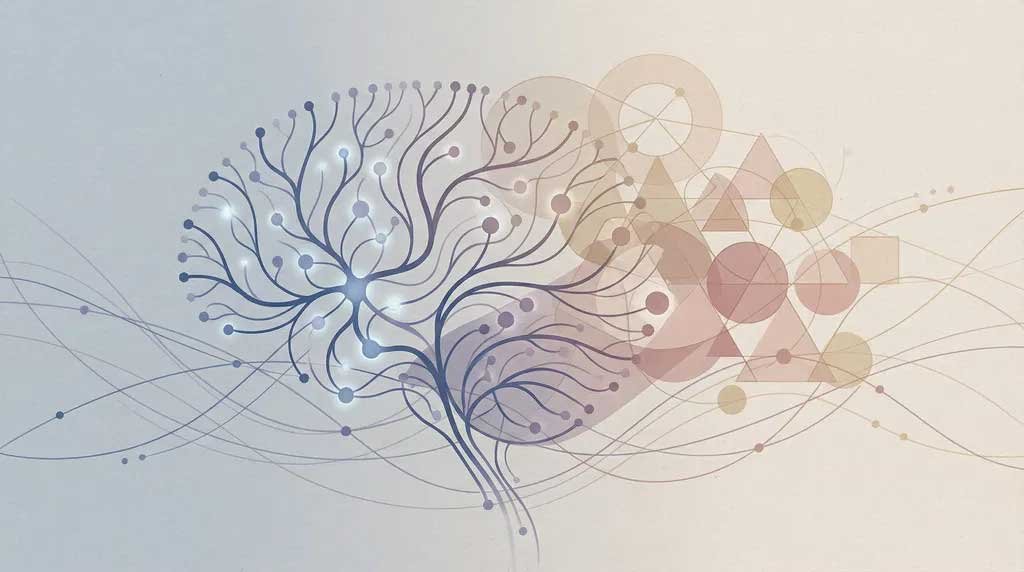
To truly understand the power of marpesthtic, we must look beyond the surface and explore the psychological and neurological factors that make it so compelling. This aesthetic philosophy is not just about creating pretty pictures; it’s about tapping into the fundamental ways our brains perceive and process the world around us. By understanding the science of visual connection, we can begin to appreciate why marpesthtic is more than just a trend—it’s a reflection of our innate human need for harmony, meaning, and emotional connection.
The Neuroscience of Aesthetic Preference
Our attraction to marpesthtic design is not arbitrary; it is deeply rooted in the way our brains are wired. Neuroscientists have discovered that our brains are constantly seeking patterns and order in the world around us [1]. When we are presented with a well-balanced and harmonious design, our brains are able to process it more easily, leading to a sense of pleasure and satisfaction. This is why the principles of symmetry, balance, and a clear visual hierarchy are so central to the marpesthtic aesthetic. Furthermore, the muted color palettes favored by marpesthtic design have a calming effect on the nervous system, reducing stress and promoting a sense of well-being [2].
Emotional Connection Through Design
Marpesthtic designs are not just aesthetically pleasing; they are also emotionally resonant. This is because they tap into our innate human need for connection and belonging. By creating designs that are authentic, personal, and culturally sensitive, marpesthtic practitioners are able to foster a sense of trust and intimacy with their audience. This emotional connection is what transforms a passive viewer into an engaged participant, and a casual consumer into a loyal advocate.
The Psychology of Simplicity
In a world of information overload, simplicity is a powerful tool. By reducing cognitive load and eliminating unnecessary distractions, marpesthtic design allows us to focus on what is truly important. This is not just a matter of aesthetics; it is a matter of mental health. The minimalist principles of marpesthtic design can help to reduce stress, improve focus, and promote a sense of calm and well-being [3]. By embracing simplicity, we can create spaces and experiences that are not only beautiful but also restorative.
Real-World Applications: How Industries Are Embracing Marpesthtic

Marpesthtic is not just a theoretical concept; it is a practical philosophy that is being applied in a wide range of industries to create more meaningful and engaging experiences. From the digital realm to the physical world, the principles of marpesthtic are helping businesses and individuals to connect with their audiences on a deeper level. Here are just a few examples of how marpesthtic is being used to transform the world around us.
Digital Design & UI/UX
In the world of digital design, marpesthtic is all about creating user-friendly and emotionally engaging experiences. Websites and apps that embrace this philosophy are characterized by their clean layouts, intuitive navigation, and a focus on essential content. By eliminating unnecessary clutter and focusing on the user’s needs, designers are able to create digital products that are not only beautiful but also a joy to use. A great example of this is the rise of minimalist productivity apps that help users to focus on their tasks without being distracted by unnecessary features or a cluttered interface [4].
Fashion & Personal Style
In the fashion world, marpesthtic is a response to the fast-fashion trend of disposable clothing and fleeting trends. It is a movement that champions timeless design, quality craftsmanship, and a focus on personal style over fleeting fads. By investing in well-made, versatile pieces that can be worn for years to come, individuals are able to create a wardrobe that is not only stylish but also sustainable. This approach to fashion is not about deprivation; it’s about making conscious choices and investing in pieces that you truly love [5].
Interior Design & Spaces
Marpesthtic interior design is about creating spaces that are not only beautiful but also restorative. It is a philosophy that favors natural materials, muted color palettes, and a focus on creating a sense of calm and tranquility. By decluttering our homes and surrounding ourselves with objects that we love, we can create spaces that are a true reflection of our personal style and a sanctuary from the stresses of the outside world. This approach to interior design is not about creating a show home; it’s about creating a space that feels like a true home [6].
Marketing & Branding
In the world of marketing, marpesthtic is about building authentic and meaningful relationships with customers. It is a departure from the traditional approach of bombarding consumers with advertising messages, instead focusing on creating valuable content and engaging in genuine conversations. By building a brand that is based on trust, transparency, and a genuine desire to help customers, businesses are able to create a loyal following of brand advocates who are not just customers, but true fans [7].
Wellness & Lifestyle
At its heart, marpesthtic is a lifestyle philosophy that is all about living a more intentional, authentic, and meaningful life. It is a movement that encourages us to slow down, to appreciate the beauty in the everyday, and to focus on what truly matters. By incorporating the principles of marpesthtic into our daily lives, we can cultivate a greater sense of peace, contentment, and well-being.
From Theory to Practice: Your Marpesthtic Implementation Framework
Embracing the marpesthtic philosophy is a journey, not a destination. It’s about making a conscious decision to bring more intention, harmony, and beauty into your life and work. To help you on this path, we’ve developed a practical, five-step framework that you can use to implement the principles of marpesthtic in any area of your life, from your personal style to your business branding.
The 5-Step Implementation Process
Step 1: Assessment
The first step is to take stock of your current situation. What is your current aesthetic? What are your personal or brand values? Who is your target audience? What are your goals? By answering these questions, you can gain a clear understanding of where you are now and where you want to go.
Step 2: Research & Inspiration
Once you have a clear understanding of your goals, it’s time to gather inspiration. Study successful examples of marpesthtic design in your field. Analyze color palettes, explore composition techniques, and gather reference materials that resonate with you. This is not about copying what others have done, but about developing your own unique vision.
Step 3: Design & Planning
With your inspiration in hand, it’s time to start planning. Create mood boards, develop color schemes, and plan spatial arrangements. Establish a set of visual guidelines that will help you to maintain a consistent aesthetic across all of your touchpoints. This is where your vision begins to take shape.
Step 4: Execution
Now it’s time to bring your vision to life. Implement your changes gradually, test different variations, and gather feedback from your audience. This is an iterative process, so don’t be afraid to experiment and make adjustments along the way.
Step 5: Measurement & Optimization
Finally, it’s important to measure the impact of your changes and optimize your approach over time. Track engagement metrics, collect user feedback, and A/B test different variations to see what works best. By continuously learning and refining your approach, you can ensure that your marpesthtic aesthetic is always evolving and improving.
Tools & Resources
To help you on your journey, there are a number of tools and resources available that can help you to implement the principles of marpesthtic. From design software and color palette generators to online courses and communities, there is a wealth of information and support available to help you on your way.
Budget-Friendly Approach
You don’t need a big budget to embrace the marpesthtic philosophy. There are a number of free tools and resources available, and you can also implement many of the principles of marpesthtic on your own. By starting small and focusing on the areas that will have the biggest impact, you can make a significant difference without breaking the bank.
Pitfalls to Avoid: Learning from Marpesthtic Mistakes
While the marpesthtic philosophy is all about creating harmony and balance, the path to achieving it is not always smooth. There are a number of common pitfalls that can trip up even the most well-intentioned designer or individual. By being aware of these mistakes, you can avoid them in your own practice and create a more authentic and effective marpesthtic aesthetic.
Mistake 1: Over-Minimalism
One of the biggest dangers in pursuing a minimalist aesthetic is that you can end up with a design that is cold, sterile, and devoid of personality. Marpesthtic is not about stripping away everything; it’s about being intentional and purposeful in your choices. The key is to find the right balance between simplicity and character, creating a design that is both clean and inviting.
Mistake 2: Ignoring Accessibility
In the pursuit of a beautiful aesthetic, it’s easy to forget about the importance of accessibility. However, a design that is not accessible to everyone is not truly marpesthtic. It’s important to ensure that your designs are inclusive and can be enjoyed by people of all abilities. This means paying attention to things like color contrast, font size, and readability, and following accessibility guidelines such as the WCAG [8].
Mistake 3: Trend-Chasing Without Purpose
It’s easy to get caught up in the latest design trends, but it’s important to remember that marpesthtic is not about following the crowd. It’s about creating a design that is authentic and true to your own personal or brand values. Before you jump on the latest trend, ask yourself if it aligns with your core values and if it will resonate with your audience. If the answer is no, then it’s best to steer clear.
Mistake 4: Platform Inconsistency
In today’s multi-platform world, it’s more important than ever to maintain a consistent aesthetic across all of your touchpoints. A design that looks great on a desktop computer may not translate well to a mobile device. It’s important to test your designs on a variety of platforms to ensure that you are providing a consistent and seamless experience for your users.
Mistake 5: Neglecting Cultural Context
Beauty is not a universal concept. What is considered beautiful in one culture may not be in another. It’s important to be mindful of the cultural context of your audience and to adapt your designs accordingly. This means doing your research and being respectful of different cultural traditions and values.
Mistake 6: Static Approach
Marpesthtic is not a static philosophy. It is a living, breathing thing that is constantly evolving. It’s important to regularly review and refresh your aesthetic to ensure that it remains relevant and engaging. This doesn’t mean that you have to completely reinvent the wheel every year, but it does mean that you should be open to making small adjustments and refinements over time.
How Marpesthtic Compares: Distinguishing from Similar Aesthetics
To fully appreciate the unique qualities of marpesthtic, it’s helpful to compare it to other popular aesthetic movements. While there may be some overlap in certain areas, marpesthtic has a distinct philosophy and set of principles that set it apart. Understanding these differences can help you to make more informed design choices and to create a more nuanced and effective aesthetic.
Marpesthtic vs Minimalism
While marpesthtic shares minimalism’s appreciation for simplicity and clean lines, the two movements have different underlying philosophies. Minimalism is often focused on stripping away the non-essential to achieve a state of pure functionality. Marpesthtic, on the other hand, is more focused on creating an emotional connection and a sense of harmony. It’s not just about having less; it’s about having more of what matters.
Marpesthtic vs Maximalism
Maximalism is the polar opposite of minimalism, characterized by its bold colors, eclectic patterns, and a “more is more” approach to design. While marpesthtic and maximalism may seem to have nothing in common, they both share a desire to create a rich and immersive experience. The difference is in the execution. Maximalism achieves this through abundance and extravagance, while marpesthtic achieves it through intention and restraint.
Marpesthtic vs Brutalism
Brutalism is a raw and uncompromising aesthetic that is characterized by its use of exposed concrete, geometric shapes, and a lack of ornamentation. While both brutalism and marpesthtic value honesty and authenticity, they have very different emotional impacts. Brutalism can be seen as cold and imposing, while marpesthtic is warm and inviting.
Marpesthtic vs Cottagecore
Cottagecore is a romantic and nostalgic aesthetic that celebrates a simple, rural lifestyle. While both cottagecore and marpesthtic value a connection to nature and a slower pace of life, they have different visual styles. Cottagecore is often characterized by its use of floral patterns, vintage furniture, and a cluttered, lived-in look. Marpesthtic, on the other hand, is more modern and minimalist in its approach.
| Aspect | Marpesthtic | Minimalism | Maximalism | Brutalism |
|—|—|—|—|—|
| Color Palette | Muted, soft, and natural tones | Neutral and monochromatic colors | Bold, vibrant, and eclectic colors | Stark, raw, and monochromatic colors |
| Complexity | Intentional simplicity with a focus on meaning | Reduced to the bare essentials | Abundant, layered, and complex | Raw, unadorned, and functional |
| Emotion | Calm, serene, and emotionally resonant | Clean, functional, and unemotional | Energetic, vibrant, and expressive | Powerful, imposing, and raw |
| Best For | Creating a sense of balance, harmony, and connection | Achieving focus, clarity, and functionality | Making a bold statement and expressing individuality | Creating a powerful and memorable impact |
Tailoring Marpesthtic: Customization for Your Specific Needs
The beauty of the marpesthtic philosophy is its versatility. It is not a one-size-fits-all approach, but a flexible framework that can be adapted to a wide range of contexts and audiences. Whether you are a creative professional, a small business owner, or simply an individual seeking to live a more intentional life, the principles of marpesthtic can be tailored to meet your specific needs and goals.
For Creative Professionals
For designers, artists, and other creative professionals, marpesthtic offers a powerful tool for creating more meaningful and impactful work. By focusing on emotional connection and authentic self-expression, you can create a portfolio that not only showcases your skills but also tells a compelling story. Marpesthtic can also be a valuable tool for communicating with clients, helping you to understand their needs on a deeper level and to create designs that truly resonate with their target audience.
For Small Business Owners
Small business owners can use the principles of marpesthtic to create a strong and memorable brand identity, even with a limited budget. By focusing on authenticity, consistency, and a genuine desire to connect with customers, you can build a loyal following of brand advocates who will not only buy your products but also spread the word to their friends and family. Marpesthtic is not about having a big marketing budget; it’s about having a big heart.
For Personal Development
On a personal level, marpesthtic can be a powerful tool for self-discovery and personal growth. By bringing more intention and mindfulness into your daily life, you can cultivate a greater sense of peace, contentment, and well-being. This could be as simple as decluttering your home, creating a more mindful morning routine, or being more intentional about the way you consume information. The goal is to create a life that is not just successful on the outside, but also fulfilling on the inside.
For Educators & Students
In the world of education, marpesthtic can be used to create more engaging and effective learning environments. By designing classrooms that are calm, organized, and free from distractions, educators can help students to focus and learn more effectively. Marpesthtic can also be used to foster creativity and self-expression, encouraging students to think outside the box and to develop their own unique voice.
For Corporate Teams
Even in the corporate world, the principles of marpesthtic can be used to create a more positive and productive work environment. By designing offices that are not only functional but also beautiful and inspiring, companies can boost employee morale, creativity, and collaboration. A marpesthtic approach to workplace design is not just about aesthetics; it’s about investing in the well-being of your most valuable asset: your people.
What’s Next: The Evolution of Marpesthtic in 2026 and Beyond
As we look to the future, it’s clear that the principles of marpesthtic are more relevant than ever. In an increasingly complex and fast-paced world, the human need for connection, meaning, and authenticity will only continue to grow. The marpesthtic philosophy is not a static trend but a dynamic and evolving movement that will continue to shape our world in the years to come. Here are some of the key trends that we can expect to see in the future of marpesthtic.
Emerging Trends
We are already seeing the emergence of new trends that are building on the core principles of marpesthtic. These include the integration of AI-powered personalization, the use of augmented reality to create more immersive experiences, and a growing emphasis on sustainability and ethical design. We are also seeing a greater fusion of cultural influences, as designers draw inspiration from a wider range of traditions and perspectives.
Technological Integration
Technology will continue to play a major role in the evolution of marpesthtic. Machine learning algorithms will help designers to create more personalized and effective designs, while virtual and augmented reality will open up new possibilities for creating immersive and interactive experiences. We can also expect to see the rise of dynamic and responsive aesthetics that adapt to the user’s needs and preferences in real-time.
Sustainability & Ethics
As our awareness of environmental and social issues grows, so too will the importance of sustainability and ethics in design. The marpesthtic philosophy, with its emphasis on intentionality and conscious consumption, is perfectly aligned with this movement. We can expect to see a greater focus on eco-conscious materials, ethical sourcing, and a long-term approach to design that considers the entire lifecycle of a product.
Global Adaptation
As the world becomes more interconnected, we will see a greater cross-pollination of ideas and aesthetics. The marpesthtic philosophy will be adapted and interpreted in different ways by different cultures, leading to a rich and diverse tapestry of regional variations. This global adaptation will not only enrich the marpesthtic movement but also foster a greater understanding and appreciation of different cultural perspectives.
Your Marpesthtic Questions Answered
To help you on your journey to understanding and embracing the marpesthtic philosophy, we’ve compiled a list of frequently asked questions. From the practical to the philosophical, these answers will provide you with a deeper understanding of this transformative aesthetic.
- 1. What makes marpesthtic different from regular design principles?
- Marpesthtic is more than just a set of design principles; it’s a philosophy. While traditional design principles often focus on aesthetics and functionality, marpesthtic goes a step further by integrating the science of human psychology and a deep focus on emotional connection. It’s not just about what looks good; it’s about what feels right and why.
- 2. Can anyone learn to apply marpesthtic principles effectively?
- Absolutely. While some people may have a natural eye for design, the principles of marpesthtic can be learned and cultivated by anyone. It’s about developing a more mindful and intentional approach to design, and there are a wealth of resources available to help you on your journey, from books and online courses to workshops and communities.
- 3. How do I measure whether my marpesthtic choices are working?
- The success of your marpesthtic choices can be measured in both quantitative and qualitative ways. On a quantitative level, you can track metrics such as engagement, conversion rates, and user satisfaction. On a qualitative level, you can gather feedback from your audience through surveys, interviews, and social media. The key is to listen to your audience and to be open to making adjustments based on their feedback.
- 4. Does marpesthtic apply equally to digital and physical designs?
- Yes, the core principles of marpesthtic can be applied to both digital and physical designs. However, the specific application of these principles will vary depending on the medium. For example, in digital design, you might focus on things like user interface and user experience, while in physical design, you might focus on things like materials and spatial arrangement.
- 5. How often should I update my aesthetic approach?
- Marpesthtic is not about blindly following trends, but it’s also not about being static. The key is to find the right balance between consistency and evolution. You should regularly review your aesthetic to ensure that it remains relevant and engaging, but you should also be mindful of maintaining a consistent brand identity.
- 6. What role does cultural context play in marpesthtic?
- Cultural context is a crucial consideration in marpesthtic design. What is considered beautiful or meaningful in one culture may not be in another. It’s important to be mindful of the cultural background of your audience and to adapt your designs accordingly. This is not about cultural appropriation; it’s about cultural appreciation and respect.
- 7. How can small businesses apply marpesthtic with limited resources?
- You don’t need a big budget to embrace the marpesthtic philosophy. There are a number of free and low-cost tools and resources available, and you can also implement many of the principles of marpesthtic on your own. The key is to be strategic and to focus on the areas that will have the biggest impact.
- 8. Is marpesthtic just a passing trend?
- While the term “marpesthtic” may be relatively new, the underlying principles of this philosophy are timeless. The human need for connection, meaning, and authenticity is not a trend; it’s a fundamental aspect of the human experience. As long as this need exists, the principles of marpesthtic will remain relevant.
- 9. What are the most common mistakes people make with marpesthtic?
- Some of the most common mistakes people make with marpesthtic include over-minimalism, ignoring accessibility, trend-chasing without purpose, platform inconsistency, and neglecting cultural context. By being aware of these pitfalls, you can avoid them in your own practice and create a more authentic and effective marpesthtic aesthetic.
- 10. How does marpesthtic impact business metrics?
- A well-executed marpesthtic aesthetic can have a significant impact on a wide range of business metrics, from brand loyalty and customer satisfaction to employee morale and productivity. By creating a more positive and engaging experience for your customers and employees, you can create a virtuous cycle of success that will benefit your business in the long run.
- 11. Can marpesthtic be combined with other design philosophies?
- Yes, marpesthtic is not a rigid or dogmatic philosophy. It can be combined with other design philosophies to create a unique and personal aesthetic. The key is to be intentional and to ensure that the different elements of your design are working together in harmony.
- 12. What tools should I use to implement marpesthtic?
- There are a number of tools and resources available to help you implement the principles of marpesthtic, from design software and color palette generators to online courses and communities. The specific tools you use will depend on your individual needs and goals, but the most important tool is your own creativity and intuition.
Embracing Marpesthtic: Your Journey Begins Now
We’ve journeyed through the world of marpesthtic, from its core principles and the psychology that makes it so powerful, to its real-world applications and the practical steps you can take to implement it. We’ve seen how this transformative aesthetic philosophy is more than just a design trend; it’s a mindful and intentional approach to living that can bring more harmony, beauty, and meaning into our lives.
Key Takeaways Summary
- Marpesthtic is a philosophy that blends art, science, and psychology to create emotionally resonant experiences.
- It’s a response to our modern world, offering a sense of calm and authenticity in the face of digital overstimulation.
- It’s a versatile framework that can be applied to any industry and tailored to any audience.
- It’s a journey, not a destination, a continuous process of learning, refining, and evolving.
Call to Action
Your journey into the world of marpesthtic begins now. Start small. Choose one area of your life where you’d like to bring more intention and harmony, and begin to apply the principles we’ve discussed. Explore the resources we’ve shared, connect with like-minded individuals in online communities, and most importantly, trust your own creativity and intuition. Share your experiences, your successes, and your challenges. The more we learn from each other, the more we can all grow and evolve.
Final Thought
Embracing marpesthtic is not about achieving perfection; it’s about embracing a more mindful and intentional way of being. It’s about creating a life that is not just beautiful on the outside, but also deeply fulfilling on the inside. The power to transform your world is in your hands. What will you create?
References
[1] Wikipedia – “Neuroesthetics” – https://en.wikipedia.org/wiki/Neuroesthetics
[2] Verywell Mind – “The Color Psychology of Blue” – https://www.verywellmind.com/the-color-psychology-of-blue-2795815
[3] Psychology Today – “The Power of Simplicity” – https://www.psychologytoday.com/us/blog/the-power-prime/201103/the-power-simplicity
[4] TechCrunch – “The Rise of Minimalist Productivity Apps” – https://techcrunch.com/
[5] The Good Trade – “What Is Slow Fashion?” – https://www.thegoodtrade.com/features/what-is-slow-fashion
[6] Architectural Digest – “What Is Japandi Style?” – https://www.architecturaldigest.com/story/what-is-japandi-style
[7] Harvard Business Review – “The New Science of Customer Emotions” – https://hbr.org/2015/11/the-new-science-of-customer-emotions
[8] W3C – “Web Content Accessibility Guidelines (WCAG) 2.1” – https://www.w3.org/TR/WCAG21/