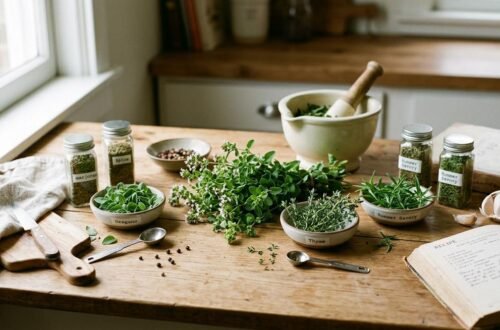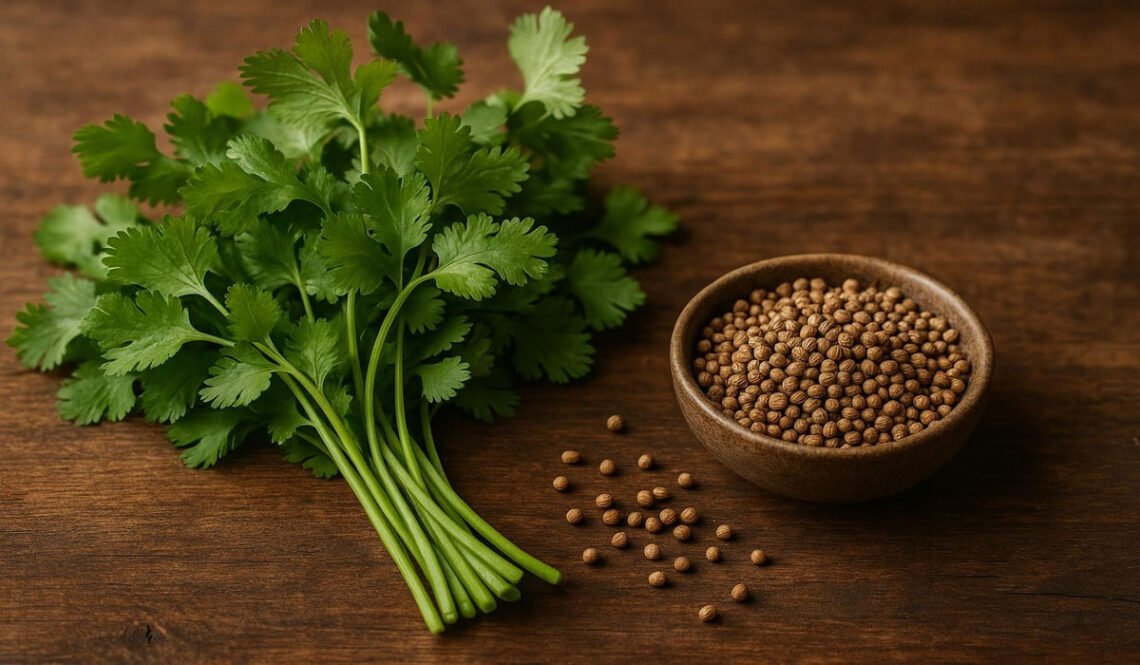
Walk into any bustling kitchen around the world, and you might just catch the unmistakable aroma of koriandri. This isn’t just another herb sitting in the spice rack. Known by different names across continents—coriander in Europe, cilantro in the Americas—koriandri has earned its place as a culinary treasure.
What sets it apart is its remarkable dual identity. The fresh leaves and the dried seeds come from the same plant, yet they offer completely different flavor experiences. This versatility has made koriandri an essential ingredient that bridges cultures and cuisines.
What Makes Koriandri a Kitchen Essential
Koriandri, scientifically called Coriandrum sativum, belongs to the Apiaceae family, sharing lineage with carrots and parsley. But unlike its relatives, this herb offers something truly unique.
The leaves burst with a fresh, citrusy brightness that can transform a simple dish into something memorable. Meanwhile, the seeds tell a different story. When toasted and ground, they release a warm, nutty aroma with subtle spicy undertones.
This duality is rare in the plant world. Few herbs can claim such versatility, which explains why koriandri appears in everything from Mexican street tacos to Indian curries and Middle Eastern mezze platters.
The Ancient Roots of Koriandri
The journey of koriandri through history reads like an adventure novel. Archaeologists discovered coriander seeds in Tutankhamun’s tomb, carefully placed there over three millennia ago. Ancient Egyptians believed this herb possessed healing powers and used it in both medicine and burial rituals.
The Greeks and Romans were equally enamored. They flavored their wines with it, baked it into bread, and even crafted perfumes from its essential oils. One Roman writer noted that coriander seeds could preserve meat, a discovery that proved invaluable before refrigeration.
As merchants traveled the Silk Road and explorers crossed oceans, koriandri seeds traveled with them. Each culture that encountered this herb adapted it to their own cuisine, creating new traditions that persist today. From ancient spice routes to modern supermarkets, koriandri has maintained its status as a beloved ingredient.
Nutritional Power Hidden in Green Leaves
Those delicate green leaves pack an impressive nutritional punch. Fresh koriandri is far more than a pretty garnish—it’s a concentrated source of essential nutrients.
Just a handful of fresh leaves provides substantial amounts of Vitamin A, which supports eye health and immune function. Vitamin C content rivals that of citrus fruits, offering antioxidant protection. Perhaps most impressive is the Vitamin K concentration, which plays a crucial role in bone health and blood clotting.
The mineral profile is equally noteworthy. Iron helps transport oxygen throughout the body, while magnesium supports muscle function and energy production. The essential oils present in koriandri, particularly linalool, contribute both to its distinctive aroma and its therapeutic properties.
Health Benefits That Go Beyond Flavor
Traditional healers have prescribed koriandri for centuries, and modern research is now validating many of these ancient practices. The health benefits extend far beyond adding flavor to food.
Digestive troubles often respond well to koriandri. The herb stimulates digestive enzymes, helping to ease bloating and discomfort after meals. Many people find that coriander tea provides gentle relief from indigestion.
Heart health receives a boost from regular koriandri consumption. Studies indicate it may help reduce LDL cholesterol while supporting healthy HDL levels. The antioxidants present in the herb combat oxidative stress, which contributes to cardiovascular disease.
Blood sugar management is another area where koriandri shows promise. Research suggests it may enhance insulin activity, making it potentially beneficial for people monitoring their glucose levels. Its antimicrobial properties also help the body defend against various pathogens.
Perhaps most intriguing is koriandri’s ability to support detoxification. Some studies suggest it may help the body eliminate heavy metals like mercury and lead, though more research is needed to fully understand this mechanism.
Koriandri Across Global Cuisines
Travel the world through the lens of koriandri, and you’ll discover how one herb can take on countless personalities. Each cuisine has found its own way to celebrate this versatile ingredient.
Indian kitchens rely heavily on both forms of koriandri. Fresh leaves garnish nearly every dish, from dal to biryani. Ground coriander seeds form the backbone of spice blends like garam masala, contributing their warm, earthy notes. The seeds are often dry-roasted first, a technique that intensifies their flavor.
Mexican cooks reach for fresh cilantro constantly. It’s the bright, fresh note in salsa verde, the cooling element in spicy tacos, and the finishing touch on pozole. Without cilantro, many beloved Mexican dishes would lose their characteristic freshness.
Middle Eastern cuisine showcases koriandri in dishes like falafel, where the fresh leaves are ground right into the chickpea mixture. Tabbouleh relies on generous amounts of chopped herbs, with cilantro playing a starring role alongside parsley.
Asian cooking traditions embrace koriandri with equal enthusiasm. Vietnamese pho wouldn’t be complete without a handful of fresh cilantro leaves. Thai curries often feature both the roots and leaves, extracting maximum flavor from every part of the plant.
Growing Your Own Koriandri Garden
There’s something deeply satisfying about snipping fresh koriandri from your own garden. Fortunately, this herb is remarkably easy to grow, even for beginners.
Start by choosing a sunny location, though koriandri can tolerate partial shade in hotter climates. The soil should drain well—waterlogged roots will quickly lead to problems. Mix in some compost to provide nutrients and improve soil structure.
Sow the seeds directly where you want them to grow. Koriandri develops a taproot that doesn’t appreciate being disturbed, so transplanting rarely succeeds. Space the seeds about an inch apart and cover them lightly with soil.
Within two weeks, you should see green shoots emerging. Keep the soil consistently moist during this early growth phase. Once established, koriandri becomes more drought-tolerant, though regular watering produces the best leaves.
Harvest strategically to extend your crop. Begin by cutting the outer leaves once the plant reaches about six inches tall. This encourages the plant to produce more foliage from the center. If you want seeds, allow some plants to flower and go to seed—just know that once flowering begins, leaf production slows.
Bringing Koriandri Into Your Daily Routine
Making koriandri a regular part of your cooking routine is easier than you might think. The key is keeping it fresh and accessible.
Store fresh cilantro in the refrigerator with the stems in a jar of water, like a bouquet. Cover the leaves loosely with a plastic bag. This method keeps the herb fresh for up to two weeks, much longer than simply wrapping it in plastic.
For everyday cooking, add fresh chopped leaves at the end of cooking to preserve their bright flavor. Heat diminishes their impact, so think of cilantro as a finishing touch rather than a cooking ingredient. Sprinkle it over soups, stir it into grain bowls, or mix it into yogurt-based sauces.
Ground coriander seeds work differently. Toast them briefly in a dry pan before grinding to unlock deeper flavors. Use the ground spice in marinades for meat, blend it into curry pastes, or add it to roasted vegetables before they go in the oven.
Consider making coriander tea for a gentle digestive aid. Crush a teaspoon of seeds, steep them in hot water for ten minutes, and strain. The resulting brew has a mild, pleasant flavor and may help settle an upset stomach.
With its incredible range of flavors and proven health benefits, koriandri deserves a permanent place in your kitchen. Whether you’re exploring new cuisines or simply looking to add more nutrition to your meals, this ancient herb offers endless possibilities.